What was missing
There was no computing community at the university, and no industry presence. It was study, study, study, with no real way to connect what we learned to what was happening outside. I was worried students would struggle to find internships, and that we were getting book-smart without knowing how industry actually works.
The university was also moving into its new building, so a lot was new. It was the right time to start its first computing society. And to back it with the ACM, because that is a prestigious name to have on campus.
What I started
Three of us founded it: me and two colleagues I’d worked with before. We had great chemistry. We got official ACM student chapter status, and I chaired the chapter for its first year. Halfway through, two more people joined us as leaders.
How people came together
We hit the ground running. About 10 events that year, most with 30 to 40 people. For a brand-new society, that was spectacular.
People from Microsoft, Intel, and Black Hat came in, and we ran workshops on Git, OpenVINO, and penetration testing.
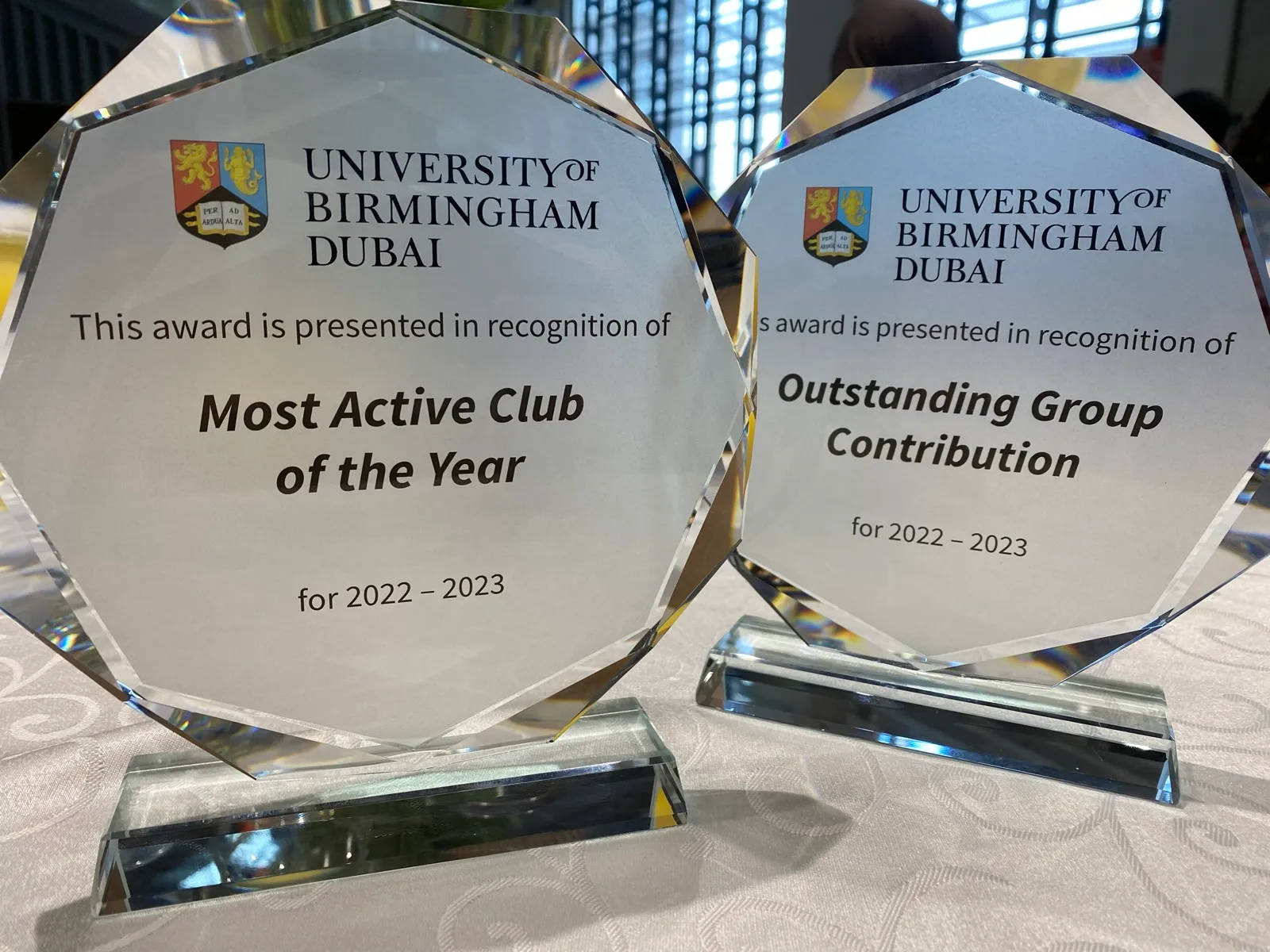
At the end of the year, the chapter won two awards at the university’s annual club awards, which I’d started as student association president the year before: Most Active Club of the Year and Outstanding Group Contribution.
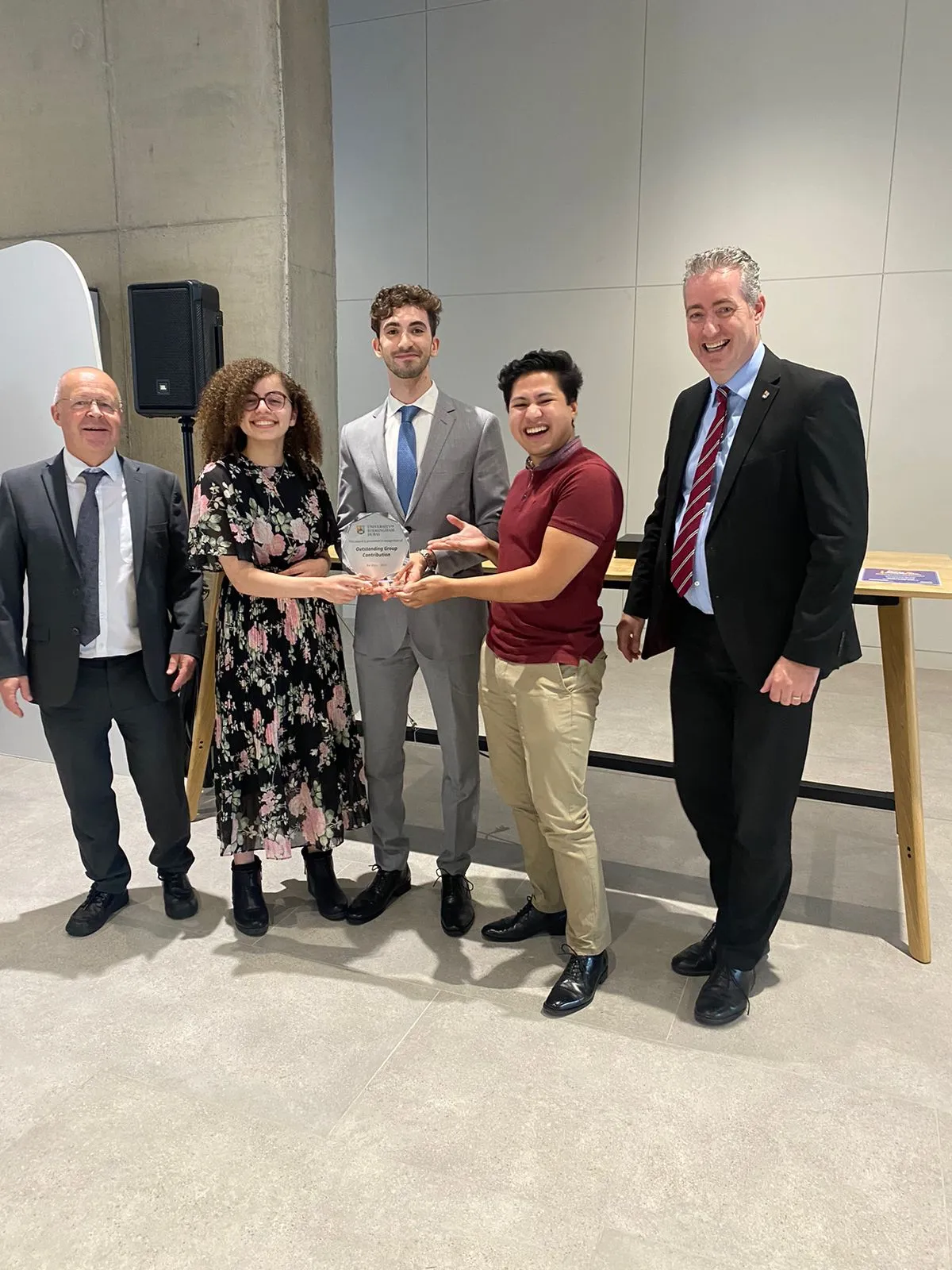 The founding team receiving the Outstanding Group Contribution award with the university’s provost and director.
What lasted
I left the university after that first year. We left a list of projects for the years after, and a lot of them came to pass.
The chapter is still running. Clyde took over from me, then Karam, and it’s now on its sixth president.