There’s a moment in Hamilton where George Washington decides not to run again. He could have stayed. He leaves anyway, because he understands that if he holds on, he changes the shape of what America becomes.
That’s how I see the clubs I’ve started.
Why holding on breaks things
I’m Egyptian, so I know what the other path looks like. In Egypt, presidents don’t change. They stay for a really long time, and they leave when they die or when they’re forced out.
And here’s the problem with holding power that long. You get lazy. You get corrupted by the power. You start thinking you’re above everything and everyone.
Letting go fixes that. When someone new comes in, you get fresh blood, fresh ideas, and fresh excitement. Nobody terrible holds the throne for too long. There’s always room for change, and for the club to evolve.
A student club isn’t a country. But it works the same way. That’s how clubs survive: you let it go and give it to the next person.
Letting go on purpose
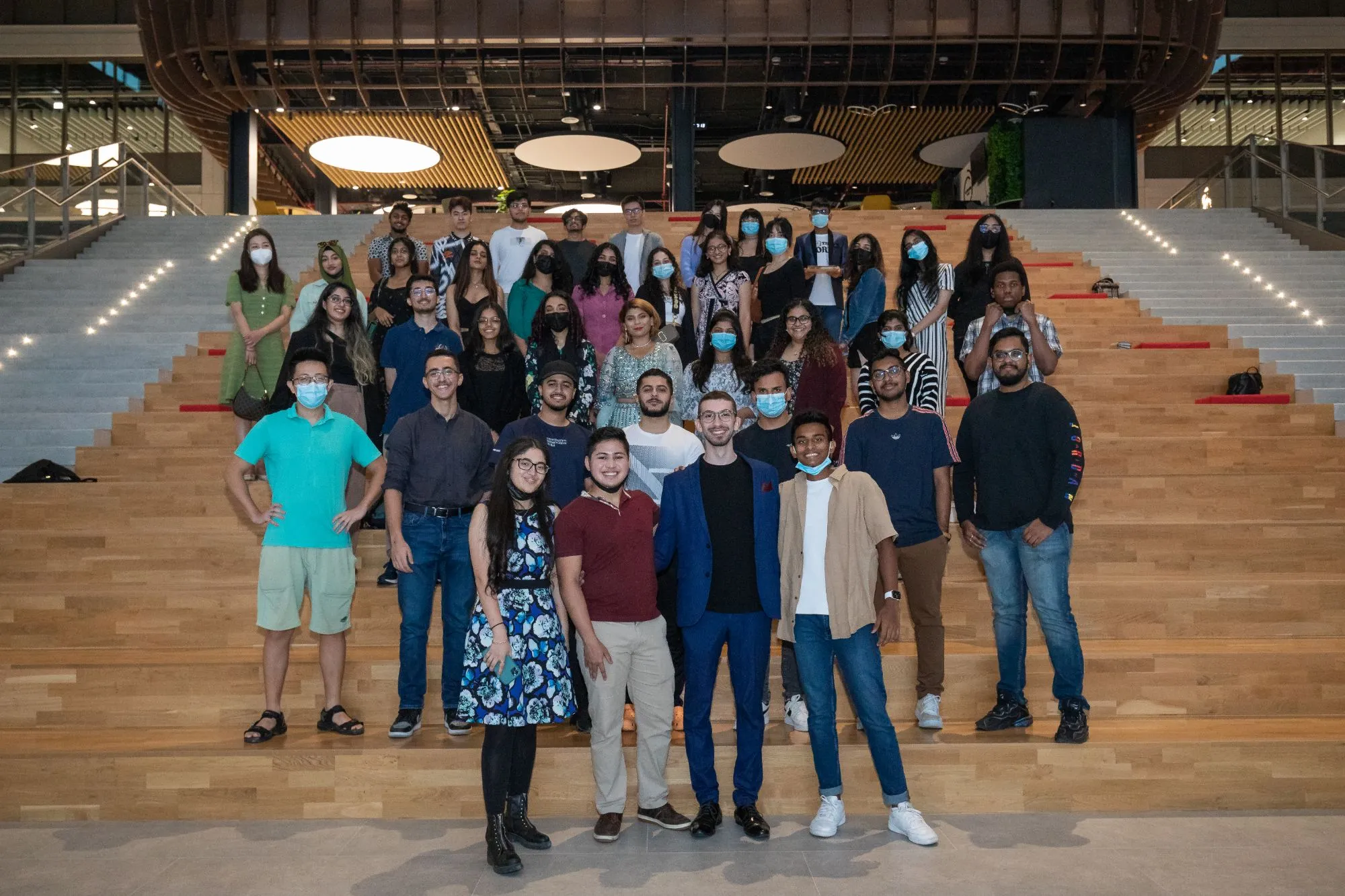
At the University of Birmingham Dubai, I started three things in two years: the Speech and Debate Society, the annual club awards as student association president, and the university’s first computing society, an official ACM student chapter.
With the ACM chapter, I knew fresh blood was the secret to keeping it alive. I was leaving university anyway. So instead of trying to hold on to the club, I groomed the next person and let it go. We left them a list of projects for the years after, and then we trusted them. I trusted that the next person would do great, and that the right people would gravitate toward the club.
They did. Clyde took over from me, then Karam. A lot of the projects on that list came to pass. The chapter is now on its sixth president.
The debate society went the same way. When I started the ACM chapter, I handed it to Srinwas, a new president who was just as excited to run it. It’s still active.
The club awards show the evolution part best. We created the first categories. They’ve changed since, to recognize whatever stands out each year. The university still holds them every year, and they belong to whoever runs them now.